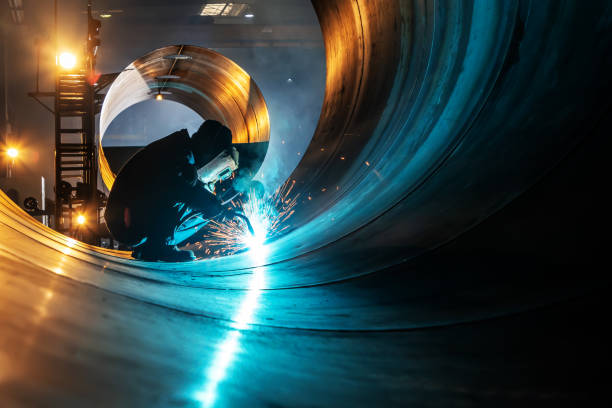
Metal fabrication is a crucial industry in Melbourne, renowned for its precision and skill. It involves the transformation of raw metal materials into various shapes and products through cutting, bending, and assembling processes. This guide explores the essential aspects of metal fabrication in Melbourne, offering insights into techniques, benefits, and considerations for those interested in this field. Whether you’re a contractor, architect, or hobbyist, understanding metal fabrication can greatly enhance your project outcomes.
Understanding Metal Fabrication
Metal fabrication encompasses a variety of processes that manipulate metal to create structures or components. It involves several stages, from design to assembly, each requiring specialized skills and equipment. The primary processes include:
- Cutting: The initial stage where raw metal is cut into desired shapes using tools such as lasers, plasma torches, or water jets.
- Bending: This involves reshaping metal into angles or curves using machines like press brakes.
- Assembling: The final stage where cut and bent pieces are welded or fastened together to form the final product.
Types of Metals Used
Different types of metals are used in fabrication, each offering unique properties that make them suitable for specific applications:
- Steel: Known for its strength and durability, steel is widely used in construction and manufacturing.
- Aluminum: Lightweight and resistant to corrosion, aluminum is ideal for aerospace and automotive industries.
- Copper: Excellent for electrical applications due to its conductivity.
- Brass: Often used for decorative purposes, thanks to its appealing appearance.
Find additional information here about the different materials used in metal fabrication.
Key Techniques in Metal Fabrication
Welding
Welding is a cornerstone of metal fabrication, merging metal parts by applying heat. Techniques such as MIG, TIG, and arc welding are commonly used, each suited to different materials and project requirements. Learn more in this detailed guide about welding techniques.
Machining
This process involves removing material from a workpiece to shape it into the desired form. Tools like lathes and mills are essential for precision machining. Explore further insights here about machining processes.
Finishing
After fabrication, finishing processes like painting, coating, or polishing enhance the appearance and durability of metal products. These processes not only improve aesthetics but also provide resistance against environmental factors.
Benefits of Metal Fabrication
Melbourne’s metal fabrication industry offers numerous benefits:
- Customization: Tailored solutions to meet specific design and functional requirements.
- Durability: High-quality fabrication ensures long-lasting products.
- Versatility: Applicable across various industries, from construction to automotive.
- Cost-effectiveness: Efficient processes can reduce material waste and labor costs.
Read more about this topic here.
Considerations for Choosing a Fabrication Service
When selecting a metal fabrication service in Melbourne, consider the following:
- Experience: Look for skilled fabricators with a proven track record.
- Capabilities: Ensure they have the necessary equipment and expertise for your project.
- Quality Assurance: Check for compliance with industry standards and certifications.
- Communication: Clear communication is essential for ensuring project success.
For a comprehensive overview, find additional information here.
Metal fabrication in Melbourne is an intricate field with a wide array of applications and benefits. By understanding the processes and materials involved, one can make more informed decisions and achieve superior results in their projects.
About the Author

