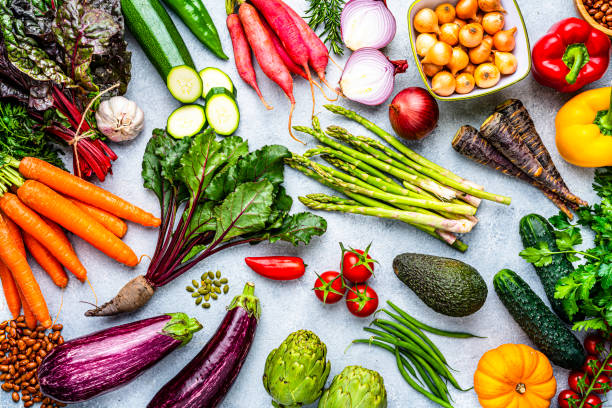
The field of food biotechnology has been advancing rapidly, offering innovative solutions to global challenges such as food security, sustainability, and nutritional enhancement. By leveraging advanced biotechnological tools and techniques, scientists and researchers are reshaping the way food is produced, processed, and consumed. This article delves into the latest innovations in food biotechnology, highlighting how these developments are transforming the industry and what they mean for the future of food.
Genetically Modified Organisms (GMOs)
Genetically modified organisms have been at the forefront of food biotechnology for decades. They are engineered to possess desirable traits such as increased yield, pest resistance, and improved nutritional content. These modifications are achieved through precise genetic engineering techniques, which allow for the introduction or modification of specific genes.
- Enhanced crop resilience to environmental stresses like drought and salinity.
- Improved nutritional content, such as rice enriched with Vitamin A.
- Reduction in pesticide use due to pest-resistant crops.
- Faster growth rates and increased yield efficiency.
For more on the intricacies of GMOs and their impact on agriculture, explore further insights here.
Cellular Agriculture
Cellular agriculture represents a paradigm shift in food production by using cell cultures to produce meat, dairy, and even plant-based products without the need for traditional farming. This technology promises to address ethical, environmental, and health concerns associated with conventional animal agriculture.
Advantages of Cellular Agriculture
- Reduction in greenhouse gas emissions compared to traditional livestock farming.
- Decreased land and water usage, promoting environmental sustainability.
- Elimination of antibiotics and hormones from the production process.
- Potential to produce tailored nutritional profiles for specific dietary needs.
Read more about this topic and how cellular agriculture is revolutionizing food production by visiting this detailed guide.
Microbial Fermentation
Microbial fermentation is an ancient technique that has been refined through biotechnology to produce a wide array of food products. Advances in this area include the development of novel proteins and alternative food ingredients that cater to the growing demand for sustainable food sources.
- Production of plant-based proteins that mimic animal products.
- Development of probiotics for gut health and overall wellness.
- Creation of natural food preservatives to extend shelf life.
- Innovative flavor and texture enhancers for food products.
Find additional information here about the role of microbial fermentation in modern food production: Learn more in this detailed guide.
Precision Breeding
Precision breeding, including techniques such as CRISPR, allows for specific genetic alterations in plants and animals to enhance desirable traits. Unlike traditional breeding methods, precision breeding is more accurate and efficient, resulting in faster development of improved varieties.
Key Benefits of Precision Breeding
- Development of crops with enhanced nutritional profiles.
- Increased resistance to diseases and pests.
- Adaptation of crops to changing climate conditions.
- Minimized use of chemical inputs in agriculture.
To understand more about the impact of precision breeding in agriculture, find additional information here.
Conclusion
Innovations in food biotechnology are reshaping the landscape of global food production, offering promising solutions to some of the world’s most pressing challenges. From enhancing food security to promoting environmental sustainability, the potential applications of these biotechnological advances are vast and varied. As research continues to evolve, the integration of these technologies into mainstream food systems will likely play a crucial role in achieving a sustainable and nutritious future for all.
About the Author