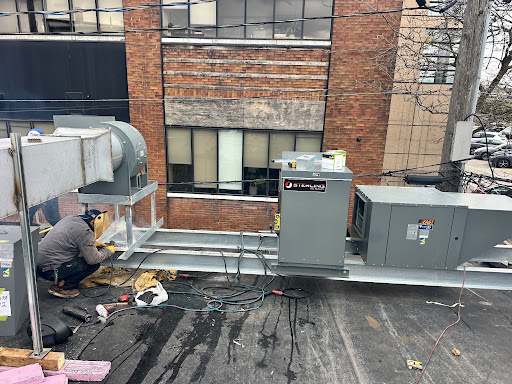
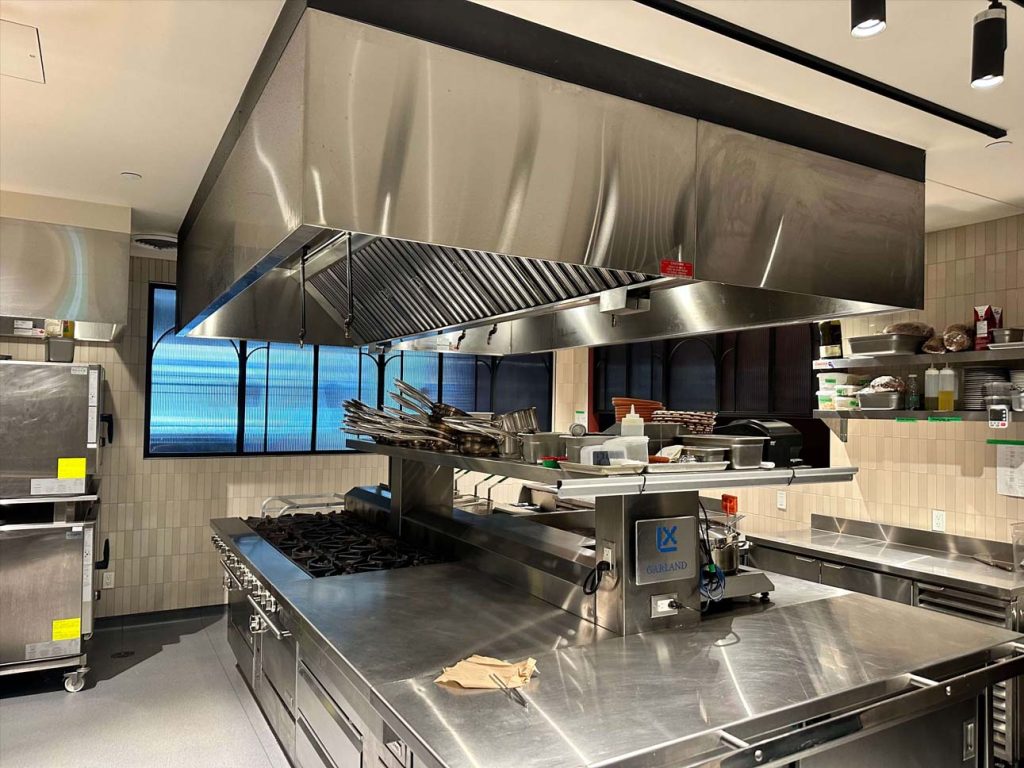
Commercial heating, ventilation, and air-conditioning (HVAC) systems are the backbone of comfortable, productive work environments. Proper maintenance not only extends equipment life but also improves energy efficiency, reduces unexpected downtime, and safeguards indoor air quality. This guide outlines proven strategies that facility managers and maintenance teams can adopt to keep commercial HVAC systems operating at peak performance.
Develop a Preventive Maintenance Schedule
A structured maintenance plan is the foundation of any reliable HVAC program. By performing routine checks at defined intervals, potential issues are identified before they become costly failures.
- Seasonal inspections: Conduct comprehensive system reviews at the start of heating and cooling seasons.
- Monthly visual checks: Verify that filters, belts, and coils are clean and free of damage.
- Quarterly performance testing: Measure airflow, refrigerant pressures, and thermostat accuracy.
- Annual professional service: Schedule a certified technician to perform deep cleaning, lubrication, and calibration.
For a deeper dive into scheduling best practices, Read more about this topic.
Optimize Filter Management
Filters are the first line of defense against dust, pollen, and contaminants. Neglecting filter maintenance can lead to reduced airflow, higher energy consumption, and premature component wear.
Key Practices
- Use filters with the appropriate Minimum Efficiency Reporting Value (MERV) rating for the building’s occupancy type.
- Replace or clean filters according to manufacturer recommendations, typically every 30-90 days for commercial units.
- Implement a logbook or digital tracker to record filter changes and associated observations.
To understand how filter selection impacts system efficiency, Learn more in this detailed guide.
Maintain Proper Refrigerant Levels
Incorrect refrigerant charge reduces cooling capacity and forces compressors to work harder, which accelerates wear. Regularly checking refrigerant pressure ensures the system operates within design specifications.
- Inspect for leaks using electronic detectors and UV dye methods.
- Recharge the system only after confirming a sealed circuit.
- Document refrigerant type, quantity, and charging date for future reference.
Further technical information on refrigerant management is available Explore further insights here.
Ensure Clean Coils and Condensate Drainage
Evaporator and condenser coils accumulate dirt and grime, impairing heat exchange efficiency. Similarly, clogged condensate drains can cause water damage and mold growth.
Cleaning Checklist
- Turn off power and isolate the unit before cleaning.
- Use a soft brush or low-pressure spray to remove debris from coil fins.
- Apply a coil-safe cleaning solution and rinse thoroughly.
- Inspect and clear the condensate drain line; consider installing a drain pan trap.
Practical step-by-step instructions are discussed Find additional information here.
Monitor System Controls and Sensors
Modern commercial HVAC systems rely on sophisticated controls, thermostats, and sensors. Calibration drift or sensor failure can cause temperature swings and inefficient operation.
- Validate thermostat setpoints against actual space temperatures.
- Calibrate pressure, temperature, and humidity sensors annually.
- Update firmware on programmable controllers to incorporate the latest performance patches.
Guidance on control system verification can be found Read more about this topic.
Implement Energy Management Strategies
Integrating HVAC maintenance with broader energy management initiatives maximizes cost savings. Energy monitoring tools provide real-time data that help pinpoint inefficiencies.
- Install sub-metering to track individual unit consumption.
- Utilize demand-controlled ventilation to adjust airflow based on occupancy.
- Leverage variable-speed drives on fans and pumps for load-responsive operation.
For an overview of energy-focused maintenance practices, Learn more in this detailed guide.
Document All Maintenance Activities
A comprehensive maintenance record supports regulatory compliance, warranty claims, and data-driven decision making.
- Record date, technician, tasks performed, parts replaced, and observations.
- Maintain digital copies for easy retrieval and trend analysis.
- Review logs quarterly to identify recurring issues and adjust the preventive plan.
Best-practice documentation templates are discussed Explore further insights here.
Train Personnel and Promote Safety
Well-trained staff reduce the likelihood of accidental damage and ensure that routine tasks are performed correctly.
- Provide regular safety briefings on lockout/tagout procedures.
- Offer hands-on training for filter changes, coil cleaning, and basic diagnostics.
- Encourage certification through recognized HVAC programs.
Safety training resources can be accessed Find additional information here.
Conclusion
Maintaining commercial HVAC systems demands a disciplined, systematic approach that blends regular inspections, precise component care, and data-driven optimization. By adhering to the expert tips outlined above, scheduling preventive maintenance, managing filters and refrigerant, keeping coils clean, calibrating controls, integrating energy strategies, documenting work, and training staff, facility managers can ensure reliable climate control, lower operating costs, and extend equipment lifespan. Consistent application of these practices not only protects the investment but also creates healthier indoor environments for occupants.
About the Author