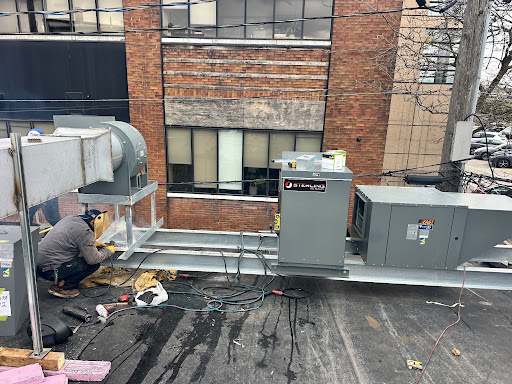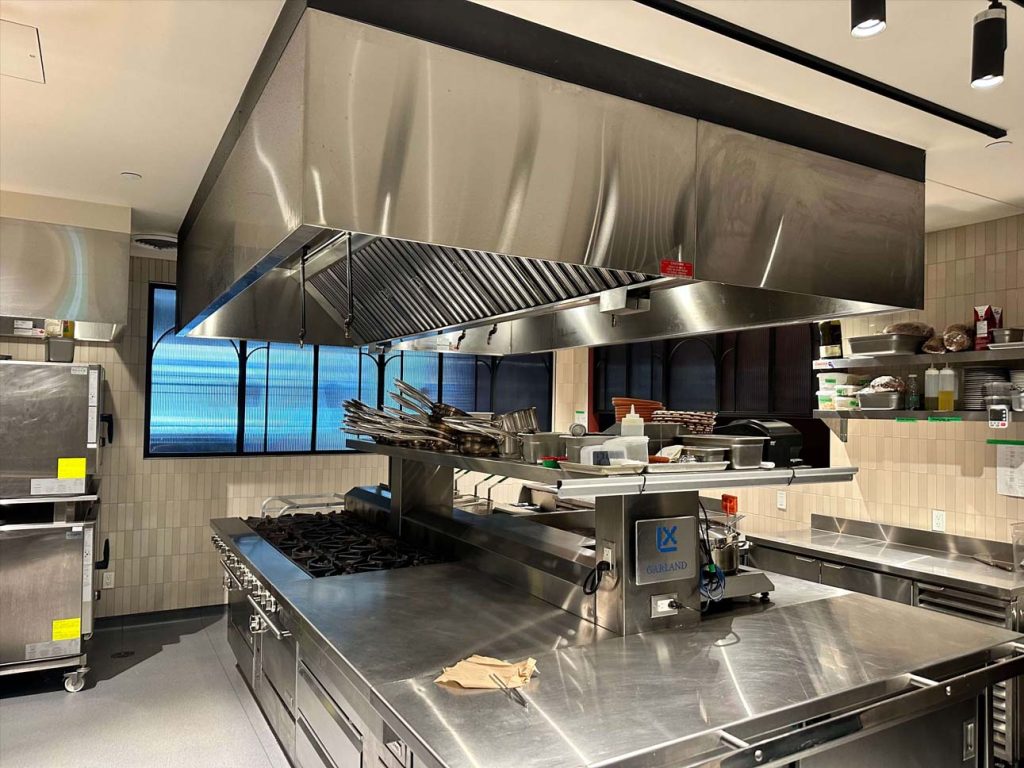
Efficient ventilation is the backbone of any commercial kitchen, safeguarding food quality, employee safety, and regulatory compliance. When ventilation systems falter, the consequences can range from minor inconveniences to costly shutdowns. Understanding the most common problems, and how to address them, helps kitchen managers maintain a productive environment while minimizing unexpected expenses.
Improper Airflow Balance
Airflow that is either too weak or excessively strong can compromise cooking performance and safety. An imbalance often stems from incorrect duct sizing, poorly placed make-up air intakes, or clogged filters.
Key Indicators
- Smoke lingering over cooking surfaces.
- Excessive noise from the hood or exhaust fan.
- Uneven temperature distribution across the kitchen.
Correcting airflow balance typically involves recalculating duct dimensions, installing variable-speed fans, and performing regular filter maintenance. For detailed calculations, Discover expert strategies here.
Grease Buildup in Ductwork
Grease accumulation is one of the most hazardous issues in commercial ventilation. Over time, grease can solidify on the interior of ducts, reducing efficiency and creating a serious fire risk.
Prevention & Maintenance
- Schedule weekly visual inspections of hoods and filters.
- Implement a routine chemical cleaning program for ducts.
- Use high-efficiency filters that capture larger grease particles.
When a buildup is detected, professional cleaning is essential. Guidance on selecting the right cleaning schedule can be found by Learn about our tailored solutions.
Inadequate Hood Design
A hood that does not match the cooking equipment’s dimensions or heat output will struggle to capture contaminants effectively. Common design flaws include insufficient capture velocity and improper canopy shape.
Design Considerations
- Match hood width to the cooking surface plus a 6-inch overhang on each side.
- Ensure capture velocity meets at least 100″?ft/min for high-heat equipment.
- Incorporate baffle filters for grease-heavy cooking styles.
For a deeper dive into hood engineering principles, Explore advanced guides and tips.
Faulty Fan Motors and Controls
Fans are the workhorses of ventilation, and motor failures or miscalibrated controls can lead to reduced airflow, increased energy consumption, and unexpected downtime.
Symptoms of Motor Issues
- Irregular fan speed or frequent cycling.
- Overheating of the motor housing.
- Unusual vibration or audible grinding.
Regular testing of motor amperage and verification of control panel settings can catch problems early. For troubleshooting best practices, Find out more about this approach.
Compliance Gaps with Local Codes
Ventilation requirements vary by jurisdiction, covering everything from fire suppression integration to exhaust outlet placement. Failure to stay current with codes can result in fines or forced shutdowns.
Typical Compliance Pitfalls
- Missing fire dampers where ducts penetrate fire-rated walls.
- Improperly sized make-up air in relation to exhaust capacity.
- Neglecting regular documentation of maintenance activities.
Consulting local health and fire authorities, as well as keeping a maintenance log, helps ensure ongoing compliance. Additional resources on regulatory standards are available at Discover expert strategies here.
Energy Inefficiency
Ventilation systems that run continuously or operate at higher speeds than necessary can significantly increase utility costs. Energy waste often stems from a lack of demand-controlled ventilation (DCV) or outdated equipment.
Efficiency Improvements
- Install motion sensors or heat-based controls to modulate fan speed.
- Upgrade to high-efficiency EC (electronically commutated) motors.
- Seal duct joints and insulate exhaust runs to reduce pressure loss.
Guidance on selecting energy-saving components can be found by Explore advanced guides and tips.
Conclusion
Addressing common ventilation challenges, airflow balance, grease buildup, hood design, motor reliability, code compliance, and energy use, creates a safer, more productive kitchen environment. Proactive maintenance, informed design choices, and regular consultation of expert resources are essential for keeping commercial ventilation systems operating at peak performance. By integrating these practices, kitchen operators can protect their staff, preserve food quality, and avoid costly interruptions.
About the Author