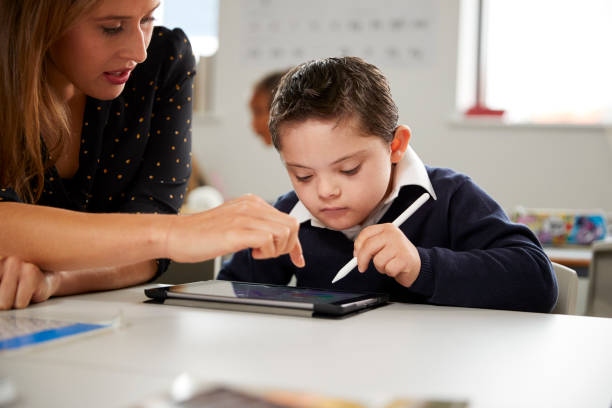
In special education environments, academic instruction intertwines with unique emotional and behavioral needs.
When mental health is placed at the forefront, students experience greater engagement, reduced anxiety, and improved learning outcomes.
Schools that embed comprehensive mental-health frameworks create safer, more inclusive spaces where every learner can thrive.
This article outlines evidence-based practices, collaborative strategies, and actionable steps that administrators, teachers, and support staff can adopt to make mental health a central pillar of special education.
Understanding the Intersection of Special Education and Mental Health
Children with disabilities often face heightened stressors, communication barriers, social isolation, and sensory overload, that can exacerbate anxiety, depression, or behavioral challenges.
Recognizing these overlapping factors is the first step toward a responsive support system.
Key considerations
- Individualized assessment: Mental-health screenings should be integrated into the IEP (Individualized Education Program) process.
- Trauma-informed approach: Many students have histories of adverse experiences; staff must be trained to respond with empathy.
- Collaborative planning: Counselors, speech therapists, and occupational therapists contribute valuable perspectives.
For deeper guidance on integrating mental-health assessments, Discover expert strategies here.
Building a School-Wide Mental-Health Framework
A systemic approach ensures consistency and sustainability. The framework should address prevention, early identification, intervention, and ongoing support.
Core components
- Policy development: Draft clear policies that define roles, confidentiality, and crisis protocols.
- Professional development: Regular training on de-escalation techniques, sensory regulation, and culturally responsive practices.
- Parent and community partnership: Engage families through workshops and transparent communication channels.
- Data-driven decision making: Use behavior logs and mental-health metrics to refine interventions.
Detailed templates for policy creation are available at Learn about our tailored solutions.
Effective Classroom Practices
Teachers are on the front lines of emotional support. Simple, evidence-based classroom adjustments can dramatically reduce stress for students with diverse needs.
Practical strategies
- Visual schedules to provide predictability.
- Calm-down corners equipped with sensory tools.
- Flexible seating to accommodate sensory sensitivities.
- Positive reinforcement systems that celebrate effort, not just achievement.
For a comprehensive list of classroom adaptations, Explore advanced guides and tips.
Supporting Staff Well-Being
Educators and support personnel experience secondary stress when working with high-need populations. Their mental health directly influences the quality of student support.
Well-being initiatives
- Scheduled peer-support circles for sharing experiences.
- Access to confidential counseling services.
- Mindfulness or brief movement breaks incorporated into the school day.
- Recognition programs that acknowledge staff dedication.
Schools seeking structured staff-wellness programs can Find out more about this approach.
Measuring Impact and Continuous Improvement
Ongoing evaluation ensures that mental-health initiatives remain effective and responsive to evolving needs.
Metrics to track
- Reduction in disciplinary referrals and crisis incidents.
- Improvement in attendance and on-task behavior.
- Student self-report measures of anxiety, stress, and satisfaction.
- Feedback from families regarding perceived support.
Guidance on building robust evaluation dashboards is offered at Discover expert strategies here.
Conclusion
Prioritizing mental health within special education schools is not an optional add-on; it is a foundational element that shapes academic success and overall quality of life for students and staff alike. By adopting a holistic framework, rooted in assessment, policy, classroom practice, staff support, and data-driven refinement, schools can create environments where every learner feels safe, valued, and ready to achieve. Continued collaboration with specialized resources and ongoing professional learning will sustain these gains and promote a culture of resilience for years to come.
About the Author