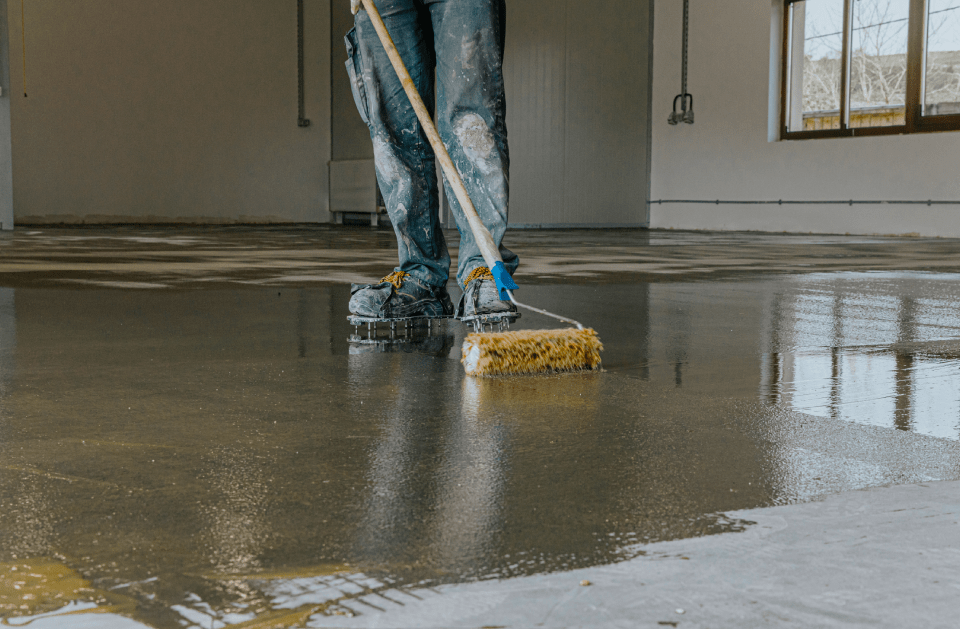
Modern concrete staining has moved beyond simple color washes to become a versatile design tool that can transform any interior or exterior space. Whether the goal is a sleek industrial loft, a warm rustic patio, or a sophisticated commercial lobby, the right staining technique can add depth, texture, and lasting visual interest while preserving the durability of concrete. This article explores the latest methods, practical considerations, and design possibilities that enable property owners and designers to upgrade their environments with confidence.
Why Choose Concrete Staining Over Traditional Flooring Options
Concrete is already valued for its strength and low maintenance, but staining elevates it to a decorative surface that rivals hardwood, tile, or carpet. The benefits include:
- Durability: Stained surfaces retain the inherent resilience of concrete, resisting scratches, stains, and heavy foot traffic.
- Design Flexibility: A wide palette of pigments and techniques allows for custom colors, patterns, and effects that can mimic natural stone, marble, or even aged wood.
- Cost-Effectiveness: Compared with installing new flooring, staining utilizes the existing slab, reducing material and labor expenses.
- Eco-Friendly: Minimal waste is generated, and many stains are water-based, lowering VOC emissions.
Key Staining Techniques
Acid-Based Staining
Acid stains react chemically with the concrete’s calcium hydroxide, creating a variegated, translucent color that penetrates deep into the substrate. This method is ideal for achieving natural, earthy tones reminiscent of stone or slate.
- Produces a mottled, organic look.
- Best suited for high-traffic areas due to its durability.
- Works well with a decorative concrete staining approach that highlights the material’s inherent texture.
Water-Based Staining
Water-based stains sit on the surface rather than reacting chemically, offering a broader color spectrum and easier application. They are especially useful for bold, uniform hues and precise color matching.
- Fast drying time and low odor.
- Allows for layered color effects and detailed patterns.
- Perfect for projects that require quick turnaround, such as commercial renovations.
Hybrid Staining
Hybrid systems combine the depth of acid stains with the vibrancy of water-based pigments, delivering a balanced finish that offers both richness and consistency. This technique is gaining popularity for high-end residential applications where visual impact is paramount.
Design Considerations for Stained Concrete Floors
When planning a stained concrete project, consider the following factors to ensure a successful outcome:
- Surface Preparation: Proper cleaning, repair of cracks, and grinding are essential for uniform absorption.
- Color Selection: Test samples on a small area to gauge how light and surrounding d??cor will affect the final appearance.
- Finish Type: Choose between matte, satin, or high-gloss sealers based on the desired look and slip resistance.
- Environmental Conditions: Humidity and temperature can influence drying times and stain development.
Step-by-Step Overview of a Typical Staining Project
A professional approach ensures consistency and longevity. The process generally follows these stages:
- Assessment & Testing: Evaluate the concrete’s condition and perform absorption tests.
- Surface Preparation: Grind, clean, and repair the slab to create a uniform substrate.
- Application of Stain: Apply the chosen stain (acid, water-based, or hybrid) using sprayers, rollers, or hand tools.
- Color Development: Allow the stain to react or set, often 15-30 minutes for acid stains and 5-10 minutes for water-based.
- Sealing: Protect the color with a penetrating sealer or a topcoat that matches the desired sheen.
- Final Inspection: Verify color consistency, slip resistance, and overall finish quality.
Practical Applications and Inspiration
Stained concrete can be tailored to a variety of settings. Below are common applications and the aesthetic goals they support:
Residential Spaces
- Living Rooms: Warm, earth-tone stains create a cozy backdrop that complements modern furniture.
- Kitchens: Light, high-gloss finishes enhance brightness and are easy to clean.
- Outdoor Patios: Textured acid stains mimic natural stone, offering slip resistance and weather durability.
Commercial Environments
- Retail Stores: Bold, uniform colors help reinforce brand identity while standing up to heavy foot traffic.
- Office Lobbies: Subtle, marble-like stains convey professionalism and sophistication.
- Restaurants: Decorative patterns can define zones and add visual intrigue without disrupting service flow.
Choosing the Right Professional Service
While DIY kits exist, achieving a high-quality, long-lasting finish often requires expert knowledge of chemistry, surface preparation, and sealing techniques. When evaluating potential providers, look for:
- Portfolio of stained concrete floors that demonstrates a range of styles.
- Transparent process documentation, including testing, preparation, and sealing steps.
- Use of reputable, low-VOC concrete staining services that align with sustainability goals.
Maintenance Tips to Preserve the Finish
Proper upkeep extends the life and appearance of stained surfaces:
- Regular sweeping and damp mopping with pH-neutral cleaners.
- Prompt removal of spills to prevent staining or etching.
- Re-application of a protective sealer every 2-3 years in high-traffic areas.
- Use of floor mats at entryways to reduce abrasive grit.
Conclusion
Modern concrete staining offers a compelling blend of durability, design flexibility, and cost efficiency. By understanding the different techniques, acid, water-based, and hybrid, along with thoughtful design planning and professional execution, property owners can upgrade any space with a finish that is both visually striking and resilient. For those seeking a seamless integration of style and performance, exploring concrete floor staining options is a strategic next step toward a lasting, sophisticated environment.
About the Author