When the race clock starts, every gram of drag and every degree of aerodynamic efficiency can be the difference between a podium finish and a respectable placing. Time trial (TT) cyclists constantly search for upgrades that shave seconds off a course without compromising comfort or handling. From aero helmets to integrated shoe covers, the market offers a dizzying array of options, each promising a marginal gain. This article breaks down the most popular aero kits, compares their performance characteristics, and highlights key considerations for selecting the optimal combination of upgrades for a competitive edge.
Core Components of a Time Trial Aero Kit
Helmet and Visor
- Shape and Surface Finish: Smooth, elongated shells reduce frontal area, while micro-textured surfaces help manage boundary layer transition.
- Ventilation vs. Drag: Modern TT helmets balance cooling channels with strategically placed vents that close at higher speeds to maintain low drag.
- Integration with Glasses: Seamless visor-glass interfaces eliminate gaps that can generate turbulence.
Bike Frame and Fork
- Tube Shaping: Ovalized or airfoil-profile tubes cut through air more efficiently than round tubes.
- Material Choice: Carbon fiber offers the best stiffness-to-weight ratio, allowing designers to sculpt aerodynamic shapes without excess mass.
- Integrated Cable Routing: Internal cables reduce external drag and protect wiring from the elements.
Aero Wheels and Tires
- Deep-section rims: Depths of 50-70″?mm provide the greatest drag reduction at speeds above 35″?km/h.
- Tire Width and Pressure: Wider, low-rolling-resistance tires paired with optimal pressure improve grip while maintaining aerodynamic shape.
- Wheel Hub Design: Bladed spokes and sealed bearings further smooth airflow.
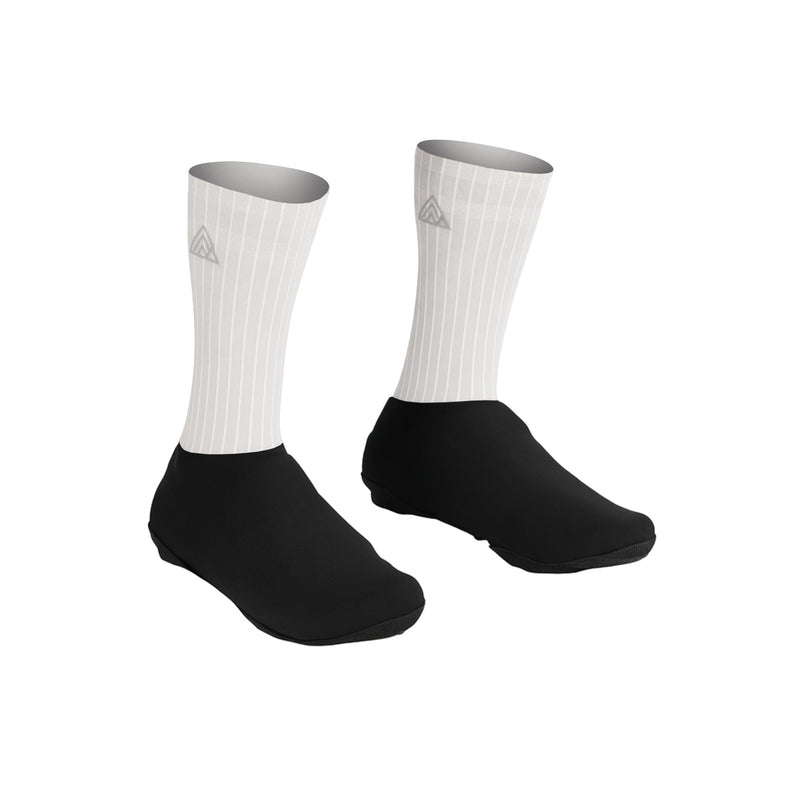
Shoe Covers and Overshoes
- Material: High-tenacity Lycra or neoprene with a tight weave creates a smooth surface over the shoe sole.
- Fit: Snug, elastic cuffs prevent flapping, which can add up to 0.5″?W of drag per second of exposure.
- Compatibility: Ensure the cover works with cleat systems and does not interfere with pedal engagement.
Performance Metrics to Evaluate Aero Upgrades
Understanding how each component contributes to overall drag is essential for making data-driven choices. The most relevant metrics include:
- CdA (Coefficient of Drag ?? Frontal Area): The lower the value, the less aerodynamic resistance the rider-bike system experiences.
- Power Savings: Measured in watts, this indicates how much less effort is required to maintain a given speed.
- Weight Penalty: While aerodynamics dominate TT performance, any added mass still matters on rolling sections and climbs.
- Stability: High-speed crosswinds can magnify handling issues; a well-designed kit maintains directional stability.
Comparative Review of Popular Aero Kits
Kit A – Full-Body Integrated System
This system bundles an aero helmet, a carbon frame with integrated cable routing, deep-section wheels, and a seamless shoe cover. Wind-tunnel testing reports a CdA reduction of approximately 0.015 compared with a standard road setup.
- Pros: Maximum drag reduction, cohesive aesthetics, and reduced setup time.
- Cons: Higher cost, limited customization for riders who prefer a mixed-component approach.
For a deeper dive into the engineering behind this solution, Discover expert strategies here.
Kit B – Modular Upgrade Pack
Kit B focuses on high-impact, interchangeable parts: an aero helmet, a set of carbon disc wheels, and detachable shoe covers. It allows riders to retain their existing frame while still achieving noticeable gains.
- Pros: Cost-effective, flexible, easy to upgrade incrementally.
- Cons: Slightly higher overall drag than a fully integrated system due to potential gaps in cable routing.
To understand how modular upgrades can fit into a training plan, Learn about our tailored solutions.
Kit C – Budget-Focused Aero Bundle
This bundle offers an aerodynamic helmet, a set of rim-brake wheels with shallow depth, and a basic shoe cover. It targets riders who need performance improvements without a large investment.
- Pros: Affordable entry point, compatible with most road frames.
- Cons: Less aggressive drag reduction; benefits are most noticeable on flat courses.
For a practical guide on extracting the most value from budget upgrades, Explore advanced guides and tips.
How to Choose the Right Aero Kit for Your Needs
Selecting an aero kit involves balancing performance goals, budget, and personal riding style. Consider the following decision matrix:
- Race Profile: Flat, windy courses reward maximum aero efficiency; hilly routes may prioritize weight savings.
- Rider Position: A more aggressive aero tuck benefits from deeper wheels and tighter shoe covers.
- Budget Constraints: Allocate funds first to components that yield the highest power savings per dollar.
- Compatibility: Verify that each part works with existing drivetrain, cleat system, and bike geometry.
When in doubt, a phased approach, starting with a high-performance helmet and shoe cover, can provide immediate gains while allowing later upgrades to wheels or frame.
Maintenance and Longevity of Aero Components
High-performance aero parts often feature delicate constructions that demand careful upkeep. Follow these best practices to extend the lifespan of your kit:
- Regularly clean surfaces with a mild soap solution to prevent aerodynamic surface contamination.
- Inspect wheel rims for cracks or dents; replace if structural integrity is compromised.
- Check shoe cover elasticity; replace when seams start to fray to avoid drag spikes.
- Store helmets and wheels in a temperature-controlled environment to avoid resin degradation.
Conclusion
Finding the best time trial upgrades hinges on a clear understanding of aerodynamic principles, realistic performance expectations, and a strategic investment plan. Whether opting for a fully integrated system, a modular set of high-impact parts, or a budget-friendly bundle, the goal remains the same: to reduce drag, preserve power, and arrive at the finish line faster. By evaluating each component’s contribution to CdA, considering race conditions, and maintaining the equipment meticulously, cyclists can make informed decisions that translate into measurable time gains.
For a curated selection of proven aero upgrades, Find out more about this approach and explore the options that align with specific performance targets.
About the Author