In today’s fast-paced world, maintaining consistent energy levels is essential for productivity, exercise performance, and overall wellbeing. While a balanced diet and regular sleep are foundational, many individuals turn to targeted nutrition to fill gaps and enhance vitality. Energy supplements and vitamins can provide the biochemical support needed for cellular metabolism, mental alertness, and physical endurance. This guide explores the science behind these products, highlights the most effective ingredients, and offers practical advice for selecting and using them safely.
Understanding Energy Supplements
Energy supplements are formulated to influence the body’s energy pathways, primarily by supporting the production of adenosine triphosphate (ATP) – the molecule that powers cellular functions. They typically contain a blend of vitamins, minerals, amino acids, and botanical extracts designed to work synergistically.
Core Mechanisms
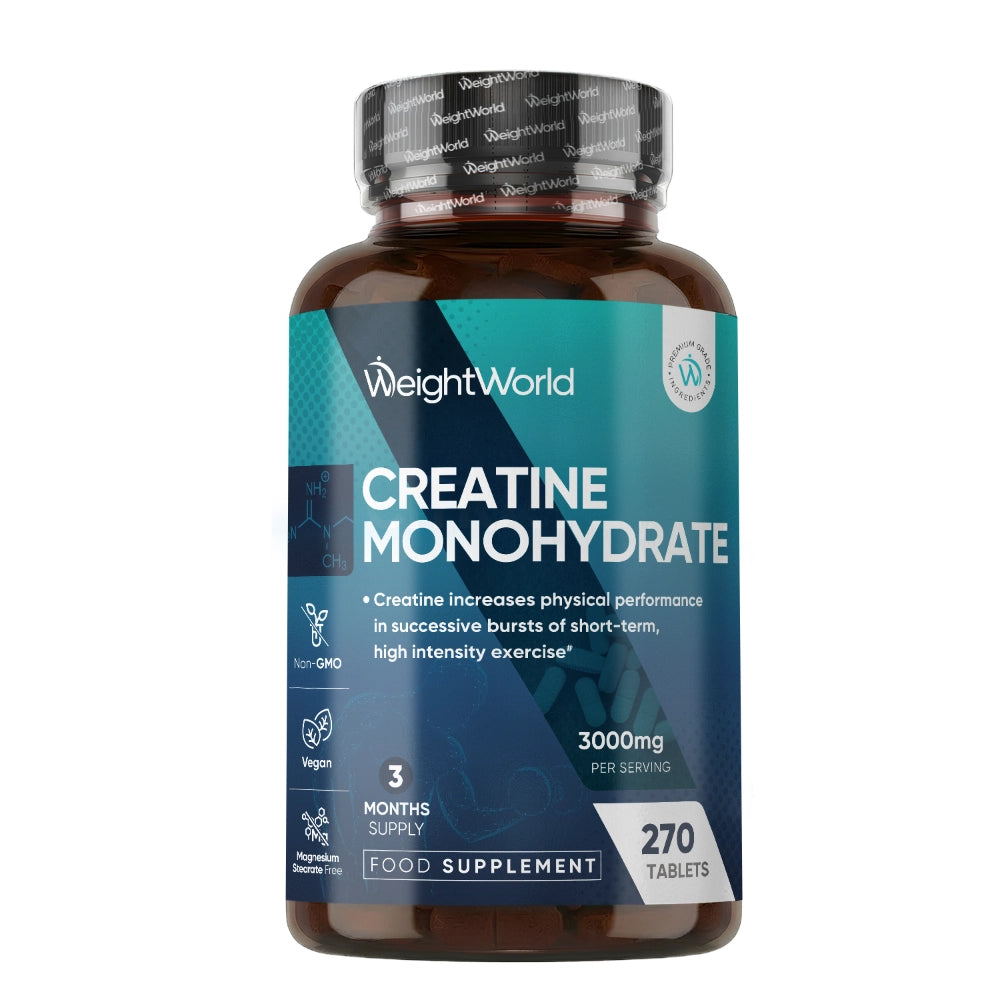
- ATP Enhancement: Compounds such as creatine and CoQ10 help regenerate ATP more efficiently during high-intensity activities.
- Neurotransmitter Support: B-vitamins, especially B12 and B6, assist in the synthesis of neurotransmitters that regulate mood and focus.
- Oxidative Protection: Antioxidants like vitamin C, vitamin E, and polyphenols reduce oxidative stress, preserving energy-producing mitochondria.
Key Vitamins for Energy Production
Vitamins are essential cofactors in metabolic pathways. When dietary intake falls short, supplementation can restore optimal function.
Vitamin B Complex
- Vitamin B1 (Thiamine): Facilitates carbohydrate metabolism, converting glucose into usable energy.
- Vitamin B2 (Riboflavin): Integral to the electron transport chain, a critical step in ATP generation.
- Vitamin B3 (Niacin): Supports NAD/NADH balance, directly influencing cellular respiration.
- Vitamin B5 (Pantothenic Acid): Forms part of coenzyme A, a central molecule in fatty-acid oxidation.
- Vitamin B6, B9, B12: Aid in amino-acid metabolism and red-blood-cell formation, enhancing oxygen delivery to tissues.
Vitamin C and Vitamin E
Both act as antioxidants, protecting mitochondria from free-radical damage during intense exercise or prolonged mental effort. Their presence helps sustain consistent energy output over time.
Choosing the Right energy boost supplement
Selecting a product requires evaluating ingredient quality, dosage, and personal health goals. Consider the following criteria:
- Ingredient Transparency: Look for clear labeling that lists each component and its exact amount.
- Scientific Backing: Prioritize ingredients with peer-reviewed research supporting their efficacy.
- Formulation Fit: Athletes may benefit from creatine-based blends, while office professionals might prefer B-vitamin complexes with added adaptogens.
- Allergen-Free Options: Verify the absence of common allergens such as gluten, dairy, or soy if sensitivities exist.
For those seeking a comprehensive approach, a product that combines energy boosters with targeted vitamins can streamline daily routines without sacrificing potency.
Safety and Dosage Guidelines
Even natural-derived supplements can cause adverse effects if misused. The following best practices help mitigate risk:
- Start with the lowest recommended dose and assess tolerance before increasing.
- Avoid stacking multiple high-dose B-vitamin products to prevent potential nerve irritation.
- Consult a healthcare professional if taking prescription medication, especially blood thinners or thyroid hormones.
- Maintain adequate hydration, particularly when using creatine-based energy supplements, as it supports renal function.
- Discontinue use and seek medical advice if persistent headaches, gastrointestinal upset, or unusual heart palpitations occur.
Integrating Supplements into a Healthy Lifestyle
Supplements are most effective when paired with foundational habits:
- Balanced Nutrition: Whole foods provide the macro- and micronutrients that form the baseline for any supplement regimen.
- Consistent Sleep: Aim for 7-9 hours of quality rest to allow mitochondrial repair and hormone regulation.
- Regular Exercise: Physical activity stimulates mitochondrial biogenesis, enhancing the benefits of energy-focused nutrients.
- Stress Management: Techniques such as mindfulness or yoga reduce cortisol, which can otherwise deplete energy reserves.
When these pillars are in place, a well-chosen energy boosting supplement can act as a catalyst, helping the body operate at peak efficiency.
Frequently Asked Questions
Do energy supplements replace meals?
No. They are intended to complement a nutrient-dense diet, not substitute for whole-food meals. Relying solely on supplements can lead to deficiencies in fiber, phytonutrients, and essential fats.
Can I take multiple energy-related products together?
Combining products increases the risk of exceeding safe dosages, especially for B-vitamins and caffeine-based ingredients. Always check total daily intake and consider consulting a nutrition specialist.
How quickly can results be expected?
Individual response varies. Some users notice enhanced mental clarity within a few days, while measurable improvements in athletic performance typically emerge after 2-4 weeks of consistent use.
Are there specific vitamins for nighttime energy?
Evening formulations often focus on magnesium and vitamin D, which support restorative sleep and daytime vitality without causing stimulation that interferes with rest.
Conclusion
Optimizing energy through supplementation requires a blend of scientific understanding, careful product selection, and lifestyle alignment. By focusing on evidence-based ingredients, such as the B-vitamin complex, creatine, and antioxidant vitamins, and integrating them with proper nutrition, sleep, and exercise, individuals can achieve sustained vitality without compromising health. For those interested in exploring a curated range of scientifically formulated options, reputable sources provide a variety of vitamins for energy and energy boost supplements that cater to diverse needs and activity levels.
About the Author