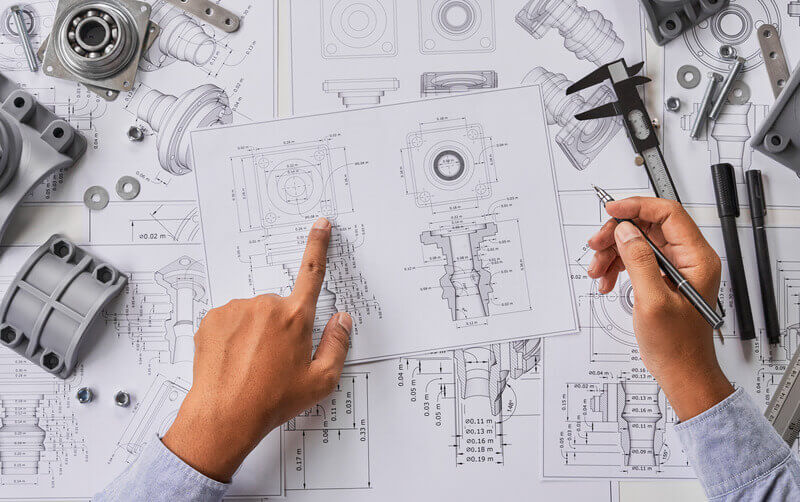
In the rapidly evolving world of technology, the demand for innovative electronic products is higher than ever. As industries strive to stay competitive, the need for a streamlined electronic product development process becomes paramount. This process not only enhances the efficiency of bringing new products to market but also ensures the quality and reliability of the end product. Emphasizing a well-structured approach can significantly impact the success and sustainability of any technology-driven enterprise.
Understanding the Basics of Electronic Product Development
The journey of electronic product development is multifaceted, involving various stages that require meticulous planning and execution. This comprehensive process transforms an idea into a tangible product ready for the market.
Key Stages in the Development Process
- Conceptualization: The initial phase where ideas are generated and feasibility is assessed.
- Design and Prototyping: Involves creating detailed designs and developing prototypes for testing.
- Testing and Validation: Ensures the product meets all specifications and safety standards.
- Manufacturing: Transitioning from prototype to mass production while maintaining quality control.
- Market Deployment: Launching the product into the market with strategic marketing plans.
For those seeking electronic design services, understanding these stages is crucial for aligning expectations and ensuring successful collaborations.
The Role of Design Engineers
Design engineers play a pivotal role in the development process, bridging the gap between concept and reality. Their expertise in creating functional and efficient designs is critical for the success of any electronic product.
- Innovative Solutions: Engineers provide innovative electronic design solutions tailored to meet specific needs.
- Technical Expertise: Their technical prowess ensures that designs are both feasible and scalable.
- Problem Solving: Engineers address potential issues early in the process, reducing costly revisions later.
Engaging with an experienced electronics design engineer can significantly enhance the development process, ensuring that the final product is both innovative and reliable.
Benefits of a Streamlined Process
A streamlined electronic product development process offers numerous benefits, not only for the developers but also for the end-users.
- Reduced Time to Market: Efficient processes ensure products are developed and launched faster.
- Cost Efficiency: Minimizing unnecessary steps reduces overall development costs.
- Improved Product Quality: Rigorous testing and validation ensure superior product quality and reliability.
Partnering with an experienced electronics design company can provide access to advanced methodologies that streamline the development process.
Collaborating with Professionals
To achieve optimal results, collaborating with professionals who offer custom electronic design services is essential. These experts bring a wealth of knowledge and experience, ensuring that each stage of the development process is handled with precision and care.
- Comprehensive Services: From initial concept to final product, professionals offer end-to-end electronics design and manufacturing services.
- Consultative Approach: Through electronic consulting services, they provide insights and recommendations to optimize product development.
- Cutting-edge Technology: Leveraging the latest tools and technologies, they deliver innovative electronics product design solutions.
By selecting the right partner for electronic product design services, companies can ensure their products meet market demands and exceed consumer expectations.
In conclusion, a streamlined electronic product development process is essential for achieving success in today’s competitive market. By understanding the key stages, leveraging the expertise of design engineers, and collaborating with professional services, companies can create innovative, high-quality products that stand out in the marketplace. Embracing these best practices not only reduces time to market and costs but also enhances the overall product quality, ensuring long-term success and customer satisfaction.
About the Author