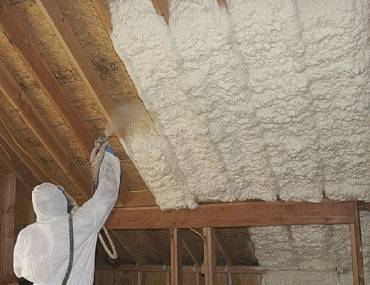
As energy efficiency becomes a priority for homeowners in Massachusetts, understanding the importance of proper home insulation is crucial. Efficient home insulation not only reduces energy bills but also enhances comfort and contributes to environmental sustainability. With the state experiencing a diverse climate, from hot summers to freezing winters, effective insulation services are essential to maintain optimal indoor temperatures and energy efficiency. This article delves into the key aspects of efficient home insulation services in Massachusetts, highlighting the benefits and considerations for homeowners seeking to improve their living spaces.
The Importance of Home Insulation
Home insulation plays a pivotal role in regulating temperatures, reducing energy consumption, and lowering utility costs. Proper insulation helps in:
- Maintaining consistent indoor temperatures throughout the year.
- Reducing the need for heating and cooling systems, thereby saving on energy bills.
- Enhancing indoor air quality by minimizing drafts and leaks.
- Contributing to a quieter indoor environment by reducing noise pollution.
For more information on how insulation impacts energy efficiency, discover expert strategies here.
Types of Insulation for Massachusetts Homes
Choosing the right type of insulation depends on various factors, including the home’s age, architecture, and specific energy needs. In Massachusetts, common insulation options include:
Spray Foam Insulation
Spray foam insulation is known for its excellent sealing properties, which prevent air leaks and provide a robust barrier against moisture and sound. It is ideal for:
- Hard-to-reach areas and irregularly shaped spaces.
- Homes requiring superior thermal performance.
- Improving structural integrity and energy efficiency.
Learn about our tailored solutions that incorporate spray foam insulation for a comprehensive approach to home efficiency.
Fiberglass Insulation
Fiberglass insulation is a popular choice due to its affordability and effectiveness. It is suitable for:
- Attics, walls, and floors where space is ample.
- Retrofit projects in older homes.
- Fire-resistant applications and soundproofing.
Factors to Consider When Insulating Your Home
Several factors should be considered to ensure optimal insulation performance:
- R-Value: The R-value measures insulation’s thermal resistance. A higher R-value indicates better insulation performance. Massachusetts homes generally require R-values ranging from R-30 to R-60, depending on the area.
- Climate: Massachusetts’ diverse climate necessitates insulation that can handle both hot and cold extremes effectively.
- Installation Quality: Professional installation ensures that insulation is properly placed, reducing the risk of gaps and thermal bridges.
- Environmental Impact: Consider eco-friendly insulation options to minimize environmental impact and promote sustainability.
To explore advanced guides and tips on choosing the right insulation for your home, explore advanced guides and tips.
Benefits of Professional Insulation Services
Engaging professional insulation services offers numerous advantages that can significantly enhance a home’s energy efficiency:
- Expert Evaluation: Professionals provide thorough assessments to identify insulation needs and potential improvements.
- Quality Materials: Access to high-quality insulation materials that meet industry standards.
- Warranty and Support: Assurance of quality workmanship and ongoing support for insulation performance.
Find out more about this approach to professional insulation services and how it can benefit your Massachusetts home.
In conclusion, efficient home insulation is a critical component of maintaining a comfortable and energy-efficient home in Massachusetts. By selecting the appropriate insulation type and considering professional services, homeowners can achieve significant energy savings and enhance their living environment. For further insights and guidance on optimizing home insulation, visit The Green Cocoon.
About the Author

