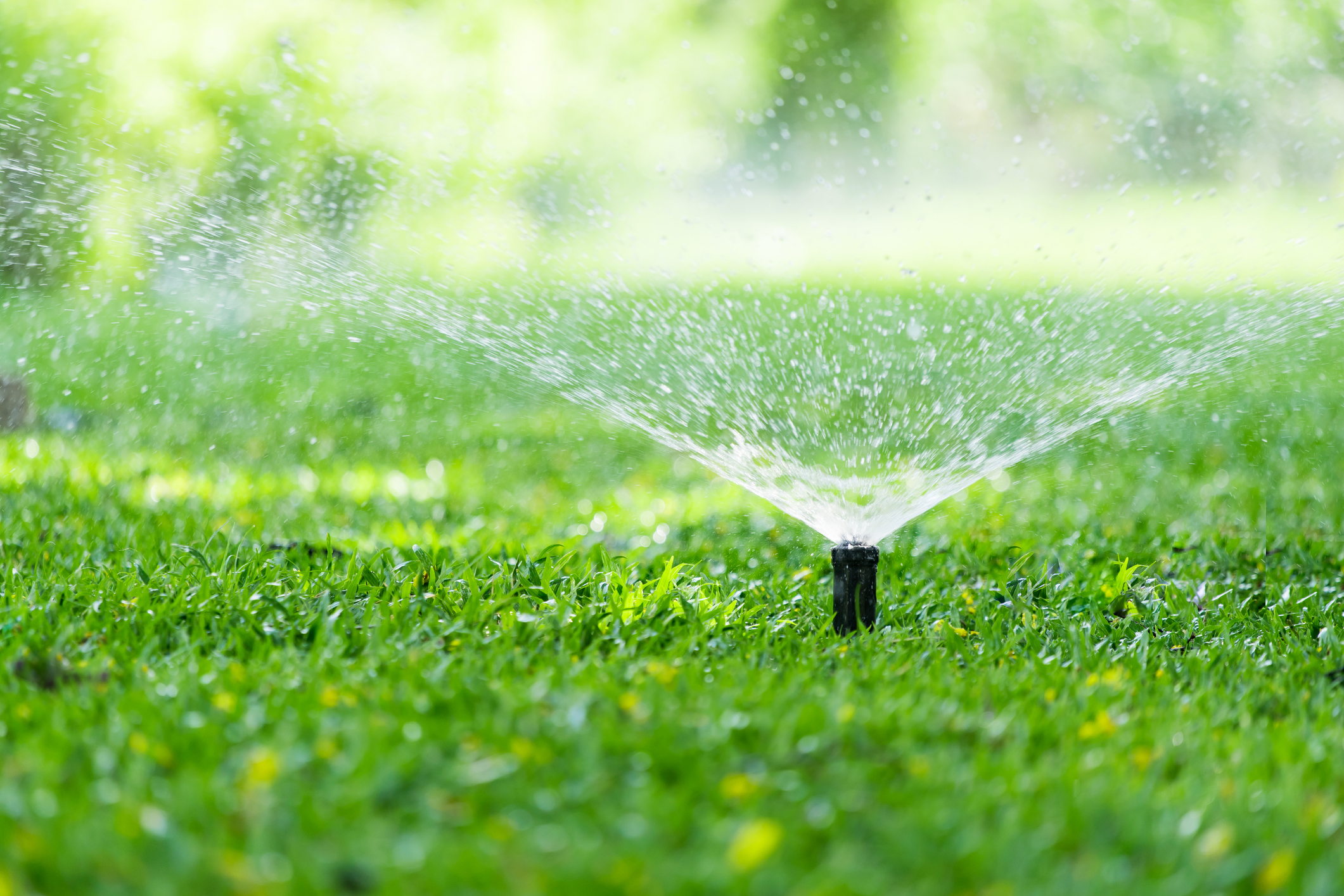
In today’s world, efficient water management is crucial for maintaining lush landscapes without incurring exorbitant costs. An affordable irrigation system installation service can provide homeowners and businesses with the means to achieve this balance. By investing in a well-designed system, not only is water usage optimized, but the overall health of the landscape is enhanced. Understanding the components and benefits of such installations can guide informed decisions, ensuring both environmental responsibility and cost-effectiveness.
Understanding Irrigation System Components
An efficient irrigation system comprises several key components, each playing a vital role in water distribution and management. These components include:
- Sprinkler Heads: Distribute water evenly across the landscape, available in various types like spray, rotor, and drip heads to suit different terrains.
- Valves: Control water flow and pressure, essential for preventing over-watering and ensuring precise irrigation schedules.
- Controllers: Automate the watering schedule, allowing for adjustments based on weather conditions and seasonal changes.
- Pipes: Connect the water source to the sprinkler heads, ensuring efficient water transport across the system.
To learn more about these components and their benefits, discover expert strategies here.
Benefits of a Professionally Installed Irrigation System
Installing an irrigation system provides numerous advantages, which include:
- Water Conservation: Efficient systems minimize water waste by delivering the right amount of water directly to the plant roots.
- Cost Savings: Reducing water waste translates to lower utility bills, offering long-term financial savings.
- Time Efficiency: Automated systems require less manual intervention, freeing up time for other tasks.
- Improved Plant Health: Consistent and adequate watering promotes lush, healthy landscapes.
For a detailed breakdown of these benefits, learn about our tailored solutions.
Choosing the Right Irrigation System
Factors to Consider
When selecting an irrigation system, several factors should be considered to ensure optimal performance and cost-effectiveness:
- Landscape Size and Type: The system should be tailored to the specific dimensions and characteristics of the landscape.
- Water Source: Understanding the water source capacity is crucial for designing an effective system.
- Soil Type: Different soils have varying water retention capacities, impacting the irrigation design.
- Climate: Weather patterns influence watering needs and should be factored into the system design.
To explore advanced guides and tips on choosing the right system, find out more about this approach.
Installation Process and Maintenance
Proper installation and maintenance are critical for the longevity and efficiency of an irrigation system. Here are the main steps involved:
- Site Assessment: Evaluating the landscape to understand unique challenges and opportunities.
- System Design: Crafting a customized solution that meets the specific needs of the landscape.
- Installation: Professional installation ensures all components are correctly set up for optimal performance.
- Regular Maintenance: Routine checks and adjustments keep the system running efficiently, preventing issues like clogs or leaks.
For more information on installation and maintenance practices, explore advanced guides and tips.
An affordable irrigation system installation service offers significant benefits for both residential and commercial properties. By understanding the components, benefits, and choosing the right system, one can achieve a sustainable and cost-effective solution for landscape management. Regular maintenance further ensures the longevity and efficiency of the system, making it a worthwhile investment for any property owner.
About the Author