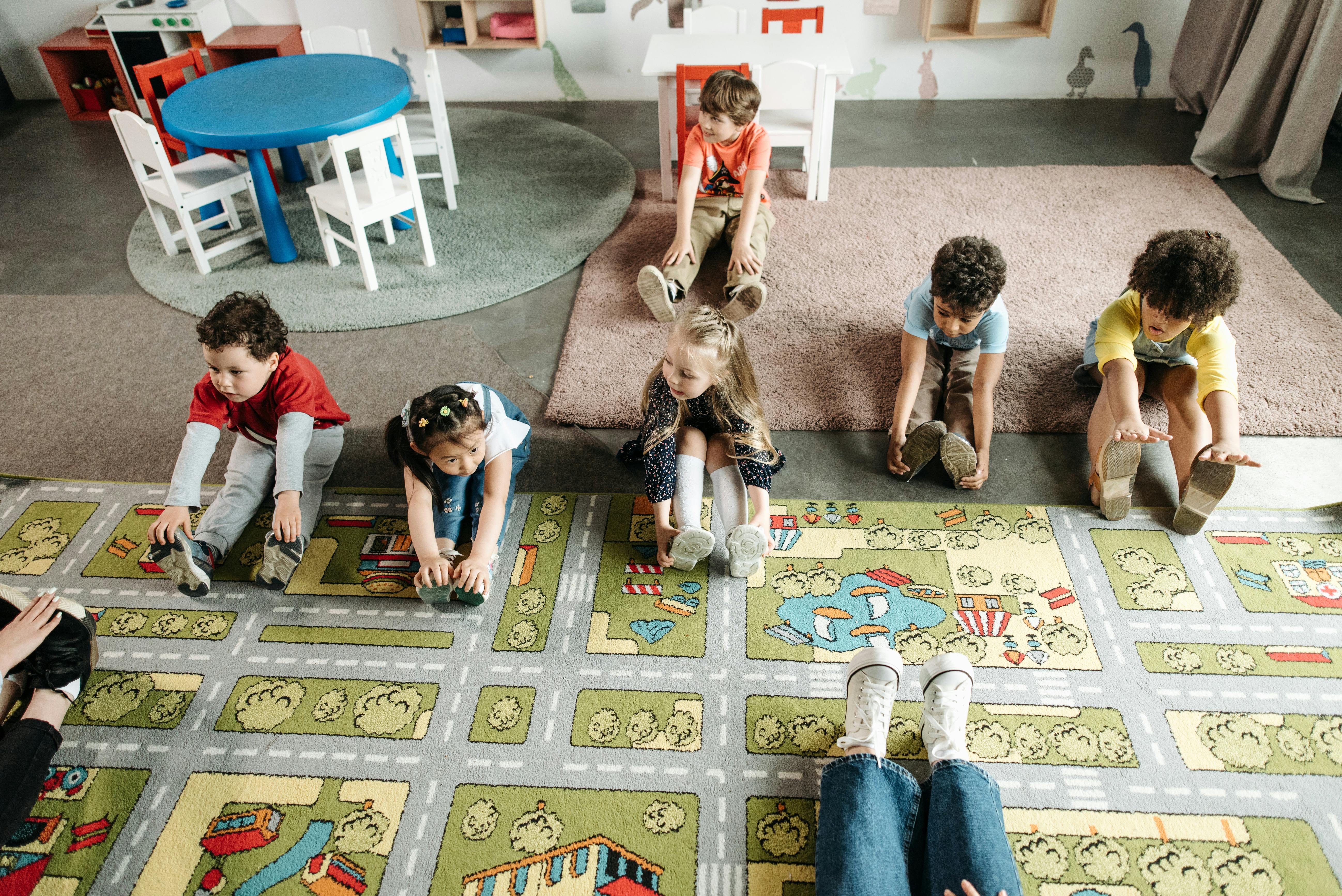
Early childhood education is a pivotal aspect of a child’s development that lays the foundation for lifelong learning and success. As society increasingly acknowledges the importance of early learning environments, parents and educators are seeking effective strategies to maximize the benefits of early childhood education. Understanding the impact of these formative years can help shape the future of children, equipping them with essential cognitive and social skills. This article explores the myriad benefits of early childhood education and how it contributes to a child’s holistic development.
Cognitive Development
One of the primary benefits of early childhood education is the enhancement of cognitive abilities. During these early years, children are like sponges, absorbing information rapidly. Quality early education programs offer structured activities that stimulate brain development, such as:
- Interactive play that encourages problem-solving skills
- Engaging storytelling sessions that enhance language acquisition
- Hands-on activities that promote critical thinking
These activities not only prepare children for academic success but also foster a love for learning. To dive deeper into effective cognitive development strategies, discover expert strategies here.
Social and Emotional Growth
Socialization is another crucial element of early childhood education. Interacting with peers and teachers helps children develop essential social skills such as sharing, cooperation, and empathy. Early education settings provide a safe environment for children to practice these skills, which are vital for successful interpersonal relationships.
Moreover, emotional growth is nurtured through activities that build self-confidence and resilience. Children learn to express their emotions constructively, laying the groundwork for emotional intelligence. For more insights on fostering social and emotional development in young children, learn about tailored solutions.
Preparation for Formal Schooling
Early childhood education serves as a preparatory stage for formal schooling. By familiarizing children with structured environments and routines, early learning programs ease the transition to primary education. Key elements that contribute to school readiness include:
- Development of fine motor skills through arts and crafts
- Introduction to basic numeracy and literacy concepts
- Fostering independence and self-help skills
These foundational skills ensure that children enter school with the confidence and ability to succeed. To explore advanced guides and tips on school readiness, explore advanced guides and tips.
Long-Term Benefits
The advantages of early childhood education extend well beyond the early years. Research indicates that children who participate in quality early education programs are more likely to excel academically, socially, and professionally in later life. Long-term benefits include:
- Higher graduation rates and academic achievements
- Improved social skills and relationships
- Greater economic productivity and job satisfaction
These outcomes underscore the importance of investing in early education, not just for individual children but for society as a whole. For more information on the long-term impacts of early childhood education, find out more about this approach.
Conclusion
Early childhood education is a critical investment in a child’s future, providing numerous benefits that extend into adulthood. By fostering cognitive development, social and emotional growth, and preparing children for school, early education programs set the stage for lifelong success. As awareness of these benefits grows, so does the commitment to enhancing early education practices and policies. For parents and educators seeking to optimize early learning experiences, resources and guidance are available to support this vital endeavor. To explore more on how early childhood education can shape a child’s future, explore advanced guides and tips.
About the Author

