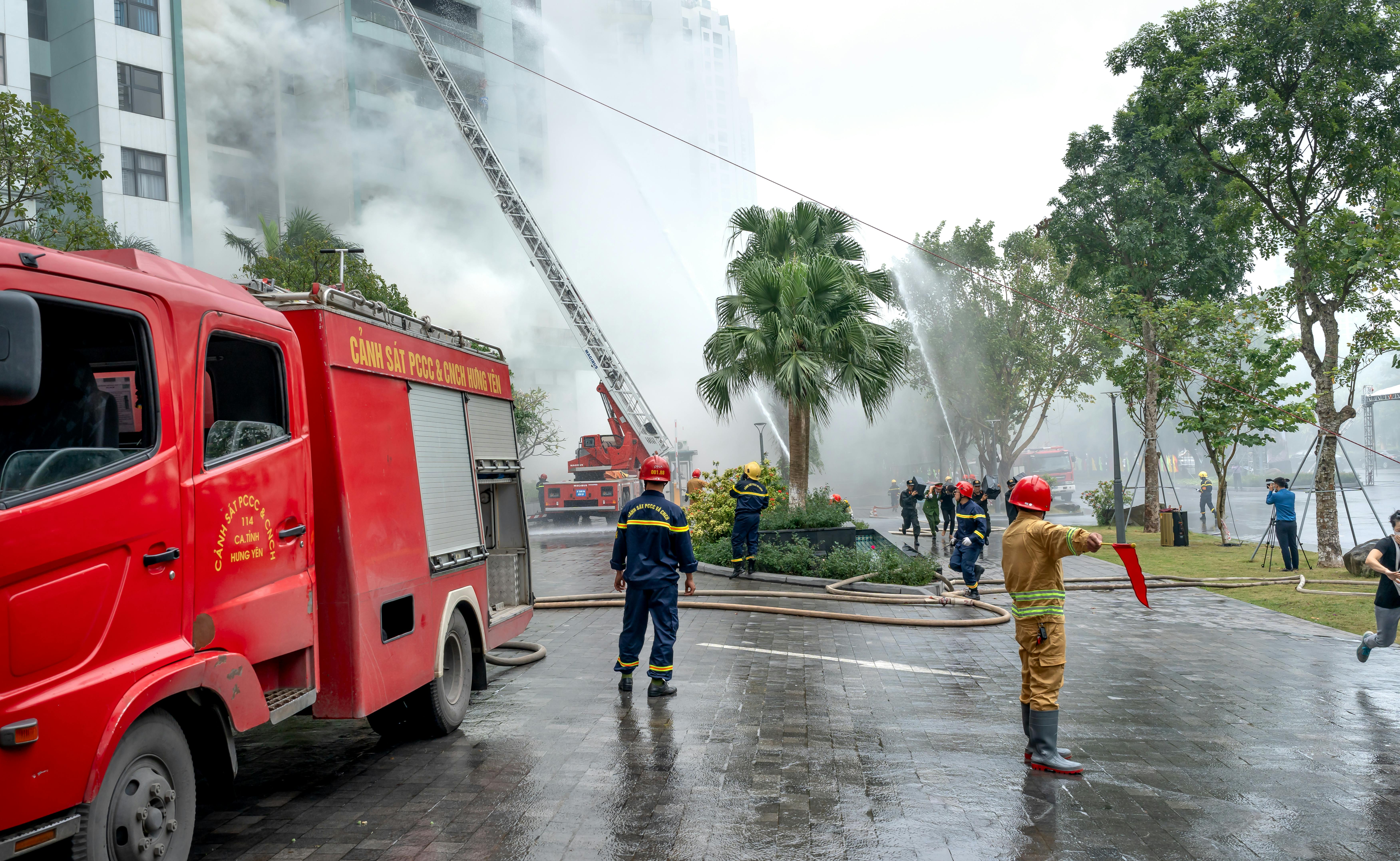
Industrial facilities face unique fire hazards that demand more than generic safety measures. Complex machinery, combustible materials, and high-energy processes create environments where a single spark can lead to catastrophic loss. Modern fire safety solutions combine advanced detection technology, intelligent suppression systems, and comprehensive risk-management strategies to protect assets, ensure continuity of operations, and safeguard personnel. By integrating these innovations, facilities can move from reactive firefighting to proactive risk mitigation, aligning safety performance with regulatory compliance and operational efficiency.
Advanced Detection Technologies
Early detection is the cornerstone of any effective fire safety program. Recent developments provide faster, more accurate alerts, reducing response times and limiting damage.
Multi-Spectral Sensors
- Combine infrared, ultraviolet, and visible light detection to identify fire signatures across a broad spectrum.
- Minimize false alarms caused by steam, dust, or ambient temperature fluctuations.
- Integrate with building management systems for real-time monitoring and automated alerts.
Wireless Mesh Networks
- Enable rapid deployment in retrofits without extensive cabling.
- Provide self-healing communication paths that maintain signal integrity even if a node fails.
- Support centralized dashboards that display sensor status, trends, and incident logs.
For a deeper look at how these technologies can be applied, Discover expert strategies here.
Intelligent Suppression Systems
Traditional sprinkler systems remain valuable, but newer suppression methods offer targeted protection for high-risk zones such as chemical storage, electrical rooms, and production lines.
Water Mist Systems
- Produce fine droplets that absorb heat more efficiently than conventional sprinklers.
- Reduce water damage while delivering rapid cooling to the fire zone.
- Ideal for facilities where excess water could compromise equipment or inventory.
Clean Agent Suppression
- Utilize inert gases (e.g., FM-200, Inergen) that extinguish fire without leaving residue.
- Safe for environments with sensitive electronics or valuable products.
- Designed to activate quickly, maintaining a safe atmosphere for personnel evacuation.
To explore tailored options for specific industrial processes, Learn about our tailored solutions.
Integrated Risk Management Platforms
Modern fire safety extends beyond hardware; software platforms provide analytics, reporting, and continuous improvement cycles.
- Predictive Analytics: Leverage historical incident data and machine-learning algorithms to identify high-risk areas before an event occurs.
- Regulatory Compliance Tracking: Automate documentation, inspection schedules, and audit trails to meet local and international standards.
- Mobile Accessibility: Enable safety officers to receive alerts, view camera feeds, and control suppression systems from handheld devices.
Industry professionals seeking actionable guidance can Explore advanced guides and tips.
Design Considerations for New Facilities
When planning a new industrial plant, fire safety should be embedded from the earliest design phases.
- Compartmentalization: Use fire-rated walls and doors to contain potential fires within limited zones.
- Zoned Detection: Deploy sensors based on hazard classification, ensuring high-risk areas receive dedicated monitoring.
- Redundant Power Supplies: Provide backup generators or UPS systems for critical detection and suppression equipment.
For comprehensive design recommendations, Find out more about this approach.
Maintenance and Training Best Practices
Even the most sophisticated systems lose effectiveness without proper upkeep and skilled personnel.
- Routine Inspections: Schedule quarterly checks of sensors, valves, and control panels, documenting any deviations.
- Functional Testing: Conduct annual full-system activations to verify response times and equipment performance.
- Staff Training: Implement scenario-based drills that cover detection alerts, evacuation routes, and manual suppression procedures.
Guidance on establishing a robust maintenance program is available through the resource hub: Explore advanced guides and tips.
Future Trends Shaping Industrial Fire Safety
Emerging technologies promise to further elevate protection levels in industrial settings.
- Artificial Intelligence: Real-time video analytics can differentiate between smoke, steam, and actual flames, reducing false alarms.
- IoT-Enabled Devices: Sensors that communicate directly with cloud platforms enable remote diagnostics and predictive servicing.
- Drone Surveillance: Autonomous aerial units can inspect hard-to-reach equipment, providing early warning of overheating components.
Staying informed about these developments helps facilities maintain a competitive safety edge. Detailed insights are offered at the industry portal: Discover expert strategies here.
Conclusion
Implementing innovative fire safety solutions transforms industrial facilities from vulnerable sites into resilient operations. By adopting multi-spectral detection, intelligent suppression, integrated risk platforms, and forward-looking design principles, organizations can protect critical assets, comply with stringent regulations, and sustain uninterrupted production. Continuous maintenance, staff training, and awareness of emerging trends ensure that fire protection remains a dynamic, proactive element of overall industrial risk management.
About the Author