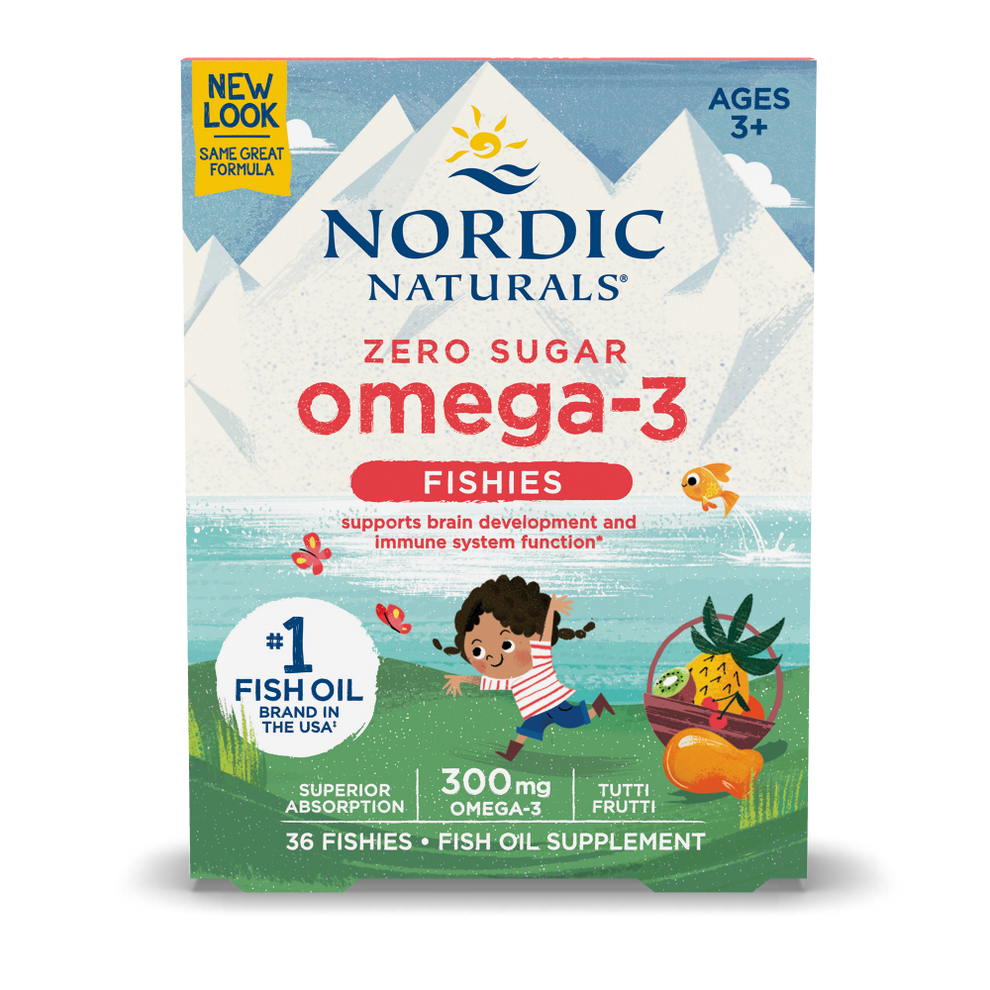
Choosing a multivitamin for children can feel overwhelming, especially with the sheer number of products on the market. Parents need a clear, evidence-based framework that balances safety, nutrient adequacy, and palatability. This guide consolidates current research, practical considerations, and expert recommendations to help families select a supplement that truly supports growth, immunity, and overall well-being.
Why a Children’s Multivitamin May Be Necessary
Even with a balanced diet, many kids fall short on key micronutrients due to picky eating habits, busy schedules, or limited food variety. Common gaps include:
- Vitamin D – essential for bone health and immune function.
- Iron – critical for cognitive development and energy production.
- Omega-3 fatty acids – support brain development and visual acuity.
- Vitamin B12 and folate – important for red blood cell formation.
When dietary intake cannot reliably meet these needs, a well-formulated multivitamin becomes a practical safety net.
Key Criteria for Evaluating Multivitamins
1. Age-Specific Formulations
Children’s nutritional requirements change rapidly from infancy through adolescence. Look for products clearly labeled for the specific age range of your child. Formulations that are too concentrated can lead to excess intake, while under-dosed versions may not provide the intended benefit.
2. Complete but Balanced Nutrient Profile
A quality multivitamin should include:
- Vitamins A, C, D, E, and the B-complex.
- Essential minerals such as calcium, magnesium, zinc, and iodine.
- Optional additions like DHA or lutein for eye and brain health, provided they are in safe dosages.
Excessive amounts of fat-soluble vitamins (A, D, E, K) can accumulate in the body, so the product should adhere to the Recommended Dietary Allowance (RDA) rather than megadoses.
3. Quality and Purity Standards
Choose supplements manufactured in facilities that follow Good Manufacturing Practices (GMP) and have third-party testing for contaminants (heavy metals, pesticides, allergens). Independent certifications from organizations such as NSF or USP add an extra layer of confidence.
4. Palatability and Delivery Format
Children are more likely to take a supplement consistently if it tastes good and is easy to administer. Popular formats include chewable tablets, gummies, and liquid drops. Ensure the product does not contain excessive added sugars or artificial flavors that could undermine its health benefits.
5. Transparency of Ingredient Sourcing
Vitamins derived from natural food sources (e.g., whole-food vitamin C from acerola) may be better absorbed than synthetic equivalents. Look for clear labeling that identifies the origin of key nutrients.
How to Verify the Credibility of a Brand
While the article avoids direct promotion, it’s useful to know what signals indicate a trustworthy manufacturer. Consider the following checkpoints:
- Clear contact information and a responsive customer service channel.
- Scientific references or links to clinical studies supporting the formulation.
- Positive reviews from healthcare professionals, not just consumer testimonials.
- Availability of detailed product specifications on the brand’s website.
For a deeper dive into reputable sources, Discover expert strategies here.
Practical Steps for Introducing a Multivitamin
- Consult a pediatrician. A healthcare professional can assess dietary gaps and recommend appropriate dosages.
- Start with a single product. Introduce one supplement at a time to monitor tolerance and any potential side effects.
- Integrate with meals. Taking the vitamin with food can improve absorption, especially for fat-soluble vitamins.
- Track consistency. Use a calendar or app reminder to ensure daily intake.
- Re-evaluate annually. As children grow, their nutritional needs evolve, so the supplement choice may need updating.
Common Myths Debunked
Understanding misconceptions helps parents make informed choices.
- Myth: “If a child eats a balanced diet, a multivitamin is unnecessary.”
Fact: Even well-planned diets can lack certain micronutrients, especially vitamin D in regions with limited sunlight.
- Myth: “All gummies are the same.”
Fact: Some gummies contain high levels of sugar or gelatin, which may not be suitable for all children.
- Myth: “More vitamins mean better health.”
Fact: Excessive intake can cause toxicity; adherence to RDA is crucial.
Where to Find Reliable Products
Online retailers that specialize in health-focused supplements often provide detailed product pages, third-party test results, and clear dosage instructions. For families seeking curated options, Learn about our tailored solutions that align with the criteria outlined above.
Final Checklist Before Purchase
- Is the product age-appropriate?
- Does it cover the essential vitamins and minerals without exceeding safe limits?
- Are GMP and third-party testing certifications listed?
- Is the flavor or format child-friendly and low in added sugars?
- Does the brand provide transparent sourcing information?
By answering these questions, parents can confidently select a supplement that supports their child’s growth without unnecessary risk.
Additional Resources
For further guidance on optimizing children’s nutrition, consider exploring more detailed articles and product comparisons. Useful reads include:
- Explore advanced guides and tips on selecting the right vitamin blend.
- Find out more about this approach to integrating supplements into daily routines.
Choosing the best children’s multivitamin is a blend of science, quality assurance, and practical convenience. Armed with the criteria and resources above, families can make an informed decision that supports healthy development now and into the future.
About the Author