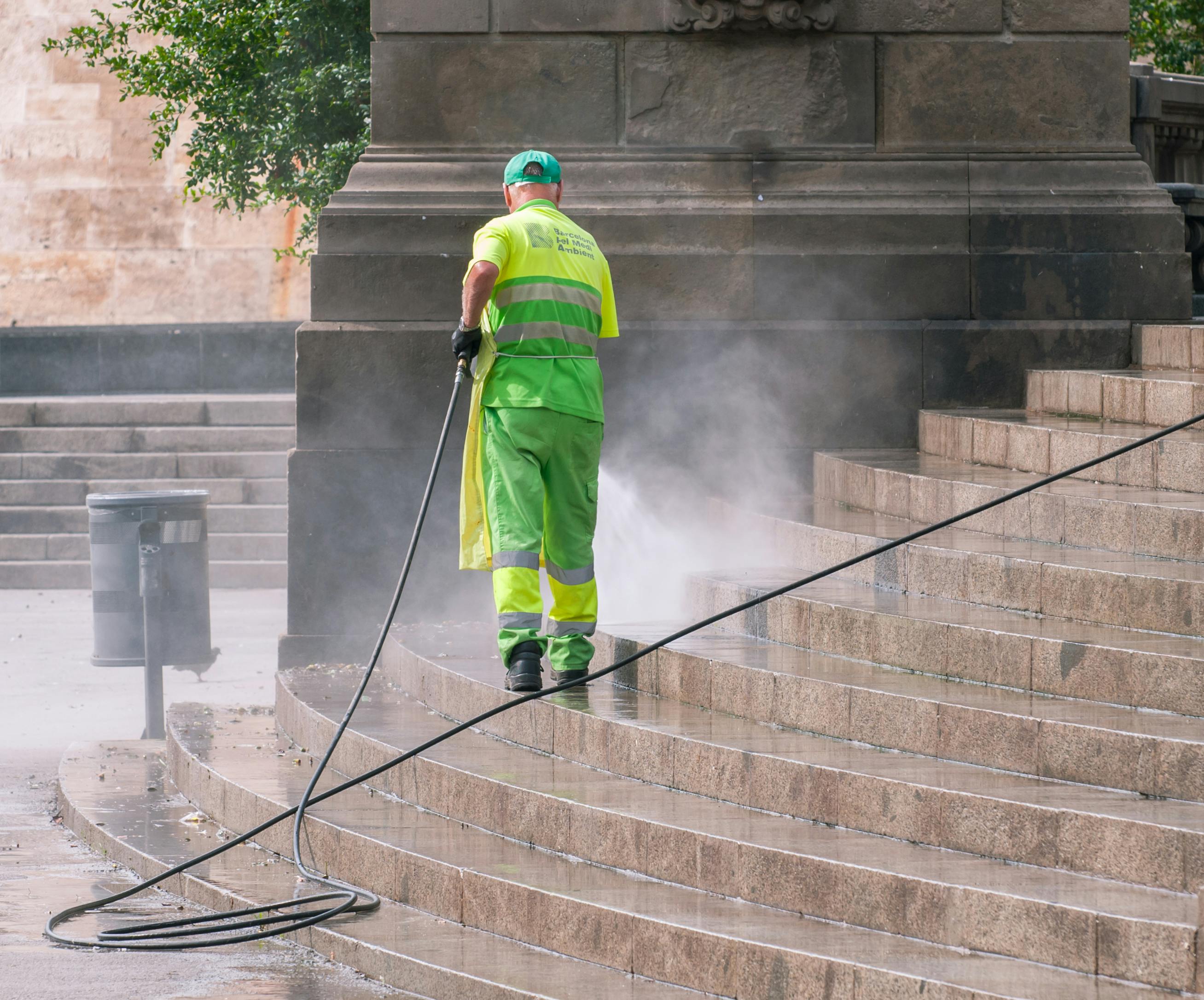
Keeping residential and commercial properties spotless often requires more than a garden hose. Pressure cleaning delivers the deep-clean power needed to remove grime, mold, and stubborn stains from a variety of surfaces. Selecting a reliable local pressure cleaner can be daunting, especially with numerous options on the market. This guide outlines the key factors to consider, highlights trusted service characteristics, and offers practical tips for maintaining optimal results.
Why Choose a Professional Pressure Cleaner?
Professional pressure cleaning services bring expertise, equipment, and safety protocols that most DIY setups lack. The benefits include:
- Consistent high-pressure output for uniform cleaning.
- Specialized detergents tailored to specific surfaces.
- Compliance with environmental regulations and waste disposal standards.
- Reduced risk of surface damage due to trained operators.
For a deeper dive into best practices, Discover expert strategies here.
Key Attributes of Trustworthy Local Providers
Licensing and Insurance
Reputable cleaners hold the appropriate state or regional licenses and carry liability insurance. This protects both the client and the technician in case of accidental damage.
Transparent Pricing Structure
Clear, itemized quotes help avoid hidden fees. Look for providers that outline:
- Base service rates.
- Additional charges for tough stains or elevated surfaces.
- Travel or equipment mobilization fees, if applicable.
Understanding the cost breakdown can be as simple as Learn about our tailored solutions.
Customer Reviews and References
Online testimonials, local business directories, and word-of-mouth recommendations provide insight into reliability and quality. Consistently high ratings for punctuality, thoroughness, and professionalism are strong indicators of trustworthiness.
Choosing the Right Equipment for Your Needs
Pressure cleaners vary by pump type, pressure rating (psi), and flow rate (gpm). Selecting the correct machine depends on the surface and the level of contamination.
- Residential decks and patios: 1500-2500″?psi, 2-3″?gpm.
- Commercial concrete driveways: 2500-3000″?psi, 3-4″?gpm.
- Delicate surfaces (e.g., painted wood): 800-1200″?psi, low-pressure nozzles.
For guidance on matching equipment to projects, Explore advanced guides and tips.
Environmental and Safety Considerations
Effective pressure cleaning respects both the property and the surrounding ecosystem.
- Use biodegradable detergents to minimize runoff impact.
- Apply water reclamation methods when cleaning near storm drains.
- Wear appropriate PPE, gloves, goggles, and non-slip footwear.
- Secure electrical connections and maintain a safe distance from power sources.
Additional resources on eco-friendly practices are available at Find out more about this approach.
Maintenance Tips After a Professional Clean
Extending the benefits of a professional pressure cleaning session requires regular upkeep.
- Schedule quarterly light cleanings for high-traffic areas.
- Apply protective sealants to concrete and stone surfaces to repel stains.
- Remove debris promptly to prevent mold and algae growth.
- Inspect and tighten any loose fittings on the cleaning equipment.
Conclusion
Choosing a local pressure cleaner you can trust hinges on verifying credentials, understanding pricing, and evaluating equipment suitability. By prioritizing licensed professionals, transparent communication, and environmentally responsible methods, property owners can achieve lasting cleanliness without compromising safety. For those seeking a reliable partner, the resources and links provided throughout this article serve as a roadmap to informed decision-making.
About the Author